.png)
GRC Basics
Three Foundational GRC Concepts Every Practitioner Must Know
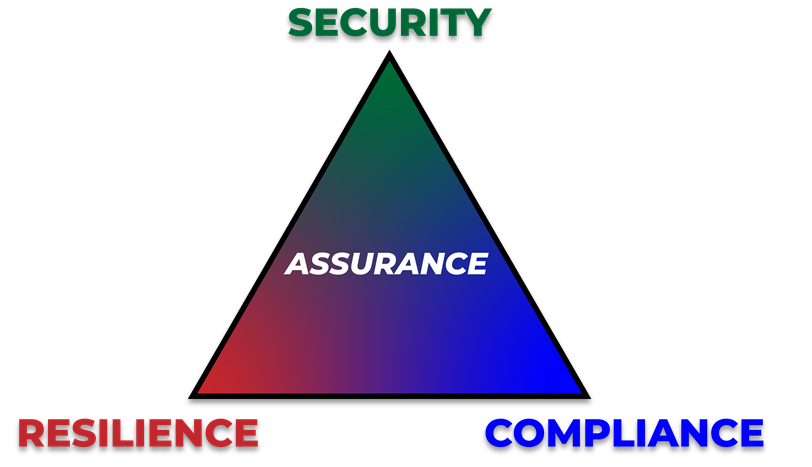
Whether you are a CISO building a program from scratch or a GRC analyst looking to deepen your fundamentals, these three topics define the baseline knowledge required for effective cybersecurity governance.
01
The Output of GRC Practices
Assurance
What does effective GRC actually produce? This topic explains how Governance, Risk & Compliance functions generate cybersecurity assurance through due diligence and due care evidence, and why that evidence is the difference between a defensible program and one that collapses under scrutiny.
02
Cybersecurity Materiality
Materiality
How do you define what is material to your cybersecurity program? This topic covers which risks, controls, and incidents rise to the level of board-level attention, SEC disclosure, and legal defensibility, and how the SCF supports materiality decisions.
03
Laws vs Regulations vs Frameworks
Structure
These are three fundamentally different things, yet they are constantly conflated. This topic clarifies the critical distinctions between legally enforceable laws, binding regulations, and voluntary frameworks, and how each creates different compliance obligations.
Why these topics matter
Without understanding what GRC produces (assurance), what counts as material (board reporting & legal defensibility), and how compliance obligations are structured (laws vs regulations vs frameworks), organizations cannot build a coherent cybersecurity program. The SCF, as the Common Controls Framework®, maps all three concepts to 1,500+ controls across 34 domains.
Continue Learning
Explore More GRC Fundamentals
Ready to go deeper? These topics build on the GRC basics above.
Common Cybersecurity Laws
FedRAMP, GLBA, HIPAA, SOX, CCPA/CPRA, GDPR, DORA, NIS2: the most impactful cybersecurity laws and what they require of your organization.
Common Cybersecurity Regulations
CMMC, DFARS 252.204-70XX, NY DFS 23 NYCRR Part 500: binding regulations that create enforceable compliance obligations beyond statutory law.
Common Cybersecurity Frameworks
NIST CSF 2.0, ISO 27001, CIS Controls, PCI DSS, SOC 2, HITRUST: voluntary frameworks that often become mandatory through contracts and regulations.
Word Crimes
Policy vs Standard vs Procedure. Risk vs Threat. Strategy vs Tactics. The most misused GRC terms, clarified once and for all.
Emerging GRC Trends
TPRM & SCRM, integrity requirements, organizational resilience, and the MSP/MSSP accountability landscape.
Download the SCF
The complete Common Controls Framework® with 1,500+ controls, 200+ mappings, all 34 domains. Free forever.
%20(white).png)